Lorrha Monastic Village
- Hugh MacMahon
- Feb 25
- 2 min read


If you thought that Ireland lagged behind the rest of Europe until the Normans came you should visit Lorrha, Tipperary’s ‘Monastic Village’.
There is much to explore but before you go it would be useful to know something about Ruadan and the Stowe Missal.
Ruadán was born in Leinster in the early 500s and as a young man attended the famous monastic university at Clonard. Its students came from across Ireland and Europe to study languages, literature and philosophy while practicing the discipline of the ‘Desert Fathers’.
Ruadan graduated and is listed among the ‘Twelve Apostles of Ireland’, graduates of Clonard who went on to found major centres of learning around the country. Towns which carry his name survive in Ulster and Connaught but he finally settled in Lorrha.
His influence was legendary. One story tells how he cursed the King of Tara, Diarmuid Mac Cerbhaill, for taking a sanctuary-seeker by force from Lorrha monastery. He forecast that no future king or queen would live at Tara. The decline of Tara began from that time.
However, Ruadan’s lasting achievement was Lorrha’s reputation for learning which continued for a thousand years. No mean achievement.
Which brings us to the Stowe Missals, a unique record from the 10th century of contemporary prayers for the Mass and sacraments written in Latin and Irish. The missal was compiled in Tallaght, a center of the reform Celi De movement, around the year 800 and brought to Lorrha where it was annotated and rewritten in the mid-11th century.
The manuscript was highly regarded and around 1033 the King of Munster contributed to encasing it in a protective cumdach case. To escape destruction during the Reformation the manuscript and cumdach were hidden at nearby Lackeen Castle which had remained in Irish hands. They were found in a wall there in the 18th century.
They then came into the hands of the Duke of Buckinghamshire and ended up in his library at Stowe, hence ‘Stowe Missal’ rather than ‘Lorrha Missal’, now it is in the Royal Irish Academy, Dublin.
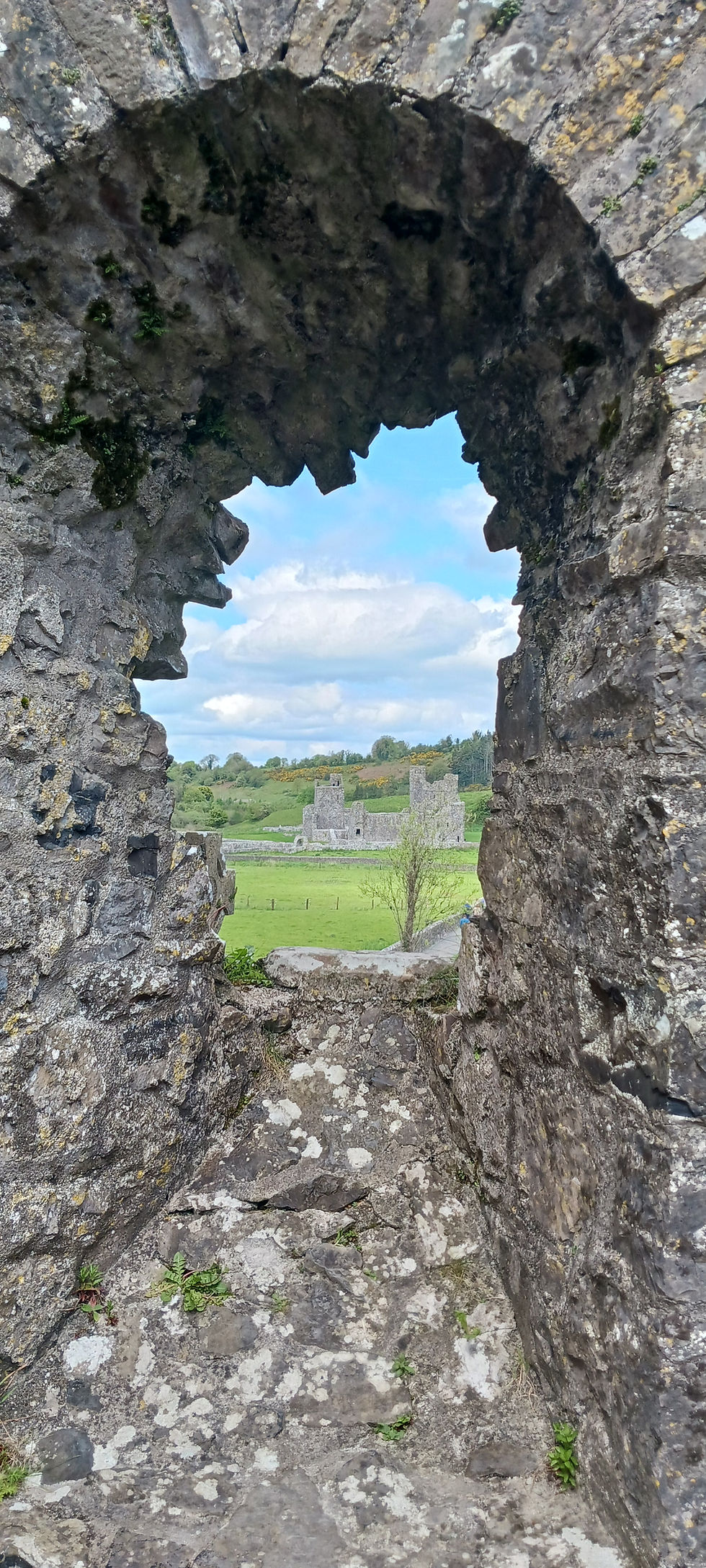
The monastic traditions of Lorrha was taken up in the 12th century with the arrival from Europe of Augustinians monks who built their priory near Ruadan’s site. In 1269, the Dominicans came and the remains of their Friary stand tall and long beside the present parish church.
The hybrid building now on Ruadan’s original site is unusual. An 1815 COI church is fused to the remains of an 11th century ‘Great Stone Church’. Nearby the base of 8th century High Crosses stand witness to earlier days.
With its three monasteries and a thousand years of preserving Ruadan’s legacy, Lorrha deserves the title ‘Monastic City’.
When a King of Cashel was dying on a pilgrimage to Rome he stated in his will, ‘My splendid cloak adorned with gold which was on the altar of Rome, bring it to Ruadan of Lorra, since we shall die this day’.
Even then the Irish were making pilgrimages to Rome and posting packages back home. They were not as backward as some think.


Comments